01 Solution overview
This transformer-oil DGA solution extracts dissolved gases from insulating oil, introduces the recovered gas through a quantitative sampling path and separates the diagnostic components by gas chromatography.
02 Method basis
The working method is defined by the stated matrix, analytes, analytical route and laboratory reporting requirements. Record the adopted reference method and revision in the laboratory procedure before routine use.
03 Sample and analytical target
The matrix is transformer insulating oil. The analytical target is hydrogen, methane, ethane, ethylene, acetylene, carbon monoxide and carbon dioxide. Sample state, target range and the adopted method determine preparation, transfer, detector choice and calibration design.
04 Analytical principle
Dissolved gases are first released from the insulating-oil sample with a controlled extraction procedure. The recovered gas, rather than the liquid oil, is introduced into the GC system.
TCD and FID channels are selected for hydrogen, light hydrocarbons and carbon oxides according to the adopted method and reporting range.
05 Sampling and preparation
Collect insulating oil without introducing air and preserve the sample container until extraction.
Apply the documented dissolved-gas extraction procedure, then transfer a repeatable gas aliquot to the sampling valve.
06 Separation and detection
Use the GC column and detector channels to resolve hydrogen, methane, ethane, ethylene, acetylene, carbon monoxide and carbon dioxide.
Check extraction blanks, gas standards, valve repeatability and detector response before reporting the DGA profile.
07 System configuration
| Module | Configuration | Role |
|---|---|---|
| Sample matrix | transformer insulating oil | Defines preparation and transfer conditions |
| Injection | quantitative injection of the extracted gas | Provides repeatable sample introduction |
| Separation | Gas Analysis | Resolves targets from matrix components |
| Detection | Method-specific detector | Produces the selective analytical response |
| Quantification | calibration with certified gas standards followed by reporting of the dissolved-gas profile | Converts response into reportable results |
08 Compatible Huishi product
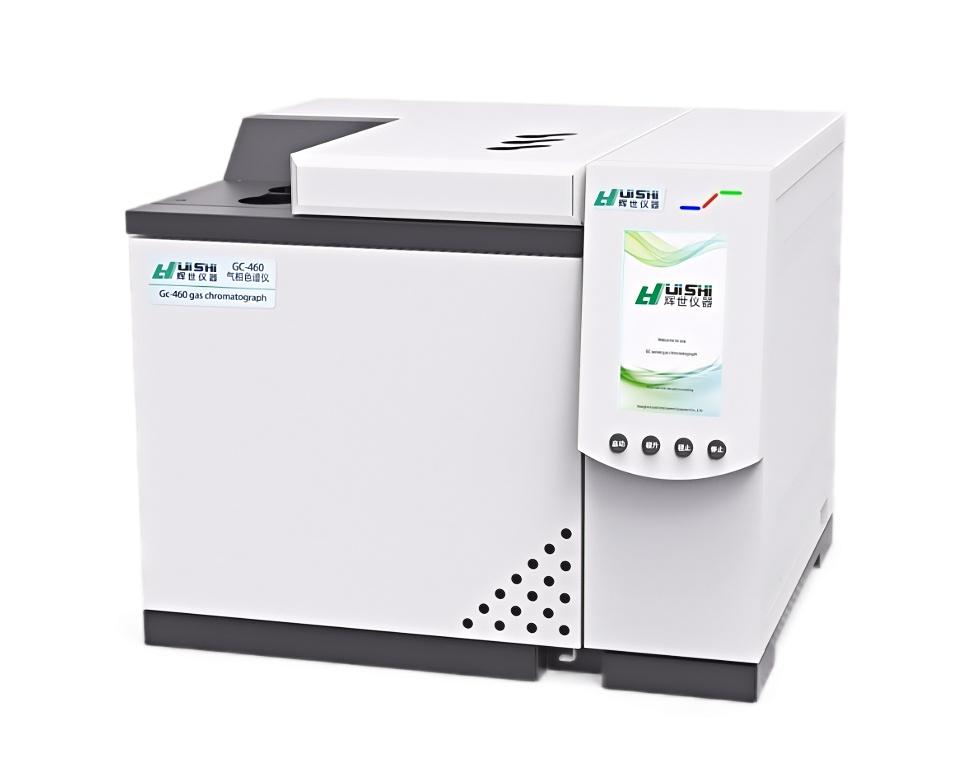
GC-460 Gas Chromatograph
- Model
- GC-460
- Brand
- Huishi Instruments
- Category
- Gas chromatograph
- Role
- Provides the verified injection, separation, detection and data-acquisition functions required by this solution.
09 Analytical workflow
10 Calibration and quality control
calibration with certified gas standards followed by reporting of the dissolved-gas profile.
Use preparation blanks, calibration checks, replicate samples and matrix spikes appropriate to the method. Review retention, response, blank contribution and recovery before releasing results.
11 Configuration decisions
- Match the inlet and transfer path to the sample phase and volatility.
- Choose the detector from analyte response and matrix selectivity.
- Confirm the concentration range with standards before selecting sample size or dilution.
12 Frequently asked questions
How is the detector selected?
Detector selection follows target response, matrix selectivity, calibration range and the stated analytical route.
What is required before routine analysis?
Confirm the laboratory method, system suitability, calibration performance, blanks, recovery and repeatability with representative samples.
13 Related solutions
Request a configuration review
Send the sample matrix, target list, concentration range, reference method and daily batch size. Huishi Instruments will prepare an instrument and workflow configuration.
Your request has been submitted.