
01 Solution Summary
The samples, target compounds, and analytical techniques specified in GB 5009.168-2016, National Food Safety Standard Determination of Fatty Acids in Foods, constitute the boundary of this solution. The saturated, monounsaturated, and polyunsaturated fatty acid composition characterized by fatty acid methyl esters in edible vegetable oils and food samples containing vegetable oil is analyzed using a gas chromatography route. Samples enter the chromatographic flow path through a liquid autosampler, the column separates target components from matrix interferences, and the FID records the response. Quantitation and quality control are arranged as follows: select the internal standard, external standard, or normalization route according to GB 5009.168-2016, and complete the identification and result calculation of fatty acid methyl esters. Analysis batches are also set up with blanks, calibration checks, and applicable quality control samples.
02 Standards and Method Basis
Chinese standard: English standard titles on this page are descriptive translations. The cited Chinese text is authoritative.
| Standard number | Standard name | Status | Source |
|---|---|---|---|
| GB 5009.168-2016 | National Food Safety Standard Determination of Fatty Acids in Foods | Current | Official source |
03 Samples and Analytes
The specific samples areEdible vegetable oils and food samples containing vegetable oil, and the analytes areSaturated, monounsaturated, and polyunsaturated fatty acid composition characterized by fatty acid methyl esters. Pretreatment, injection, and detection configurations are determined according to the sample state, target concentration, and the formal method adopted.
04 Method Principle
Volatile or vaporizable components in the sample are introduced into the gas chromatography system by a liquid autosampler. Each component is carried by the carrier gas through the chromatographic column and forms different retention due to differences in volatility and stationary phase interaction.
The FID is used to record the analytical response of the saturated, monounsaturated, and polyunsaturated fatty acid composition characterized by fatty acid methyl esters; quantitation uses the internal standard, external standard, or normalization route selected according to GB 5009.168-2016 and completes the identification and result calculation of fatty acid methyl esters.
05 Sample Collection and Pretreatment
After representative food sampling, edible vegetable oils and food samples containing vegetable oil undergo lipid extraction and fatty acid methyl esterification. The processing steps are organized around stable transfer of the saturated, monounsaturated, and polyunsaturated fatty acid composition characterized by fatty acid methyl esters and control of matrix interferences.
06 Separation and Detection
The separation flow path is designed around the saturated, monounsaturated, and polyunsaturated fatty acid composition characterized by fatty acid methyl esters, and the sample introduction interface, column, and FID form a continuous method chain. Method development and validation use real samples to check co-elution, blanks, and response stability.
07 Instrument System Configuration
| Module | Configuration | Role in This Solution |
|---|---|---|
| Sample inlet | Liquid Autosampler | Introduce a representative sample into the chromatographic flow path |
| Gas chromatograph main unit | GC | Complete the chromatographic separation of the saturated, monounsaturated, and polyunsaturated fatty acid composition characterized by fatty acid methyl esters |
| Detection Unit | FID | Record the analytical response of the saturated, monounsaturated, and polyunsaturated fatty acid composition characterized by fatty acid methyl esters |
| Data system | Select the internal standard, external standard, or normalization route according to GB 5009.168-2016, and complete the identification and result calculation of fatty acid methyl esters | Complete calibration, calculation, and batch review |
08 Huishi Instruments Compatible Products
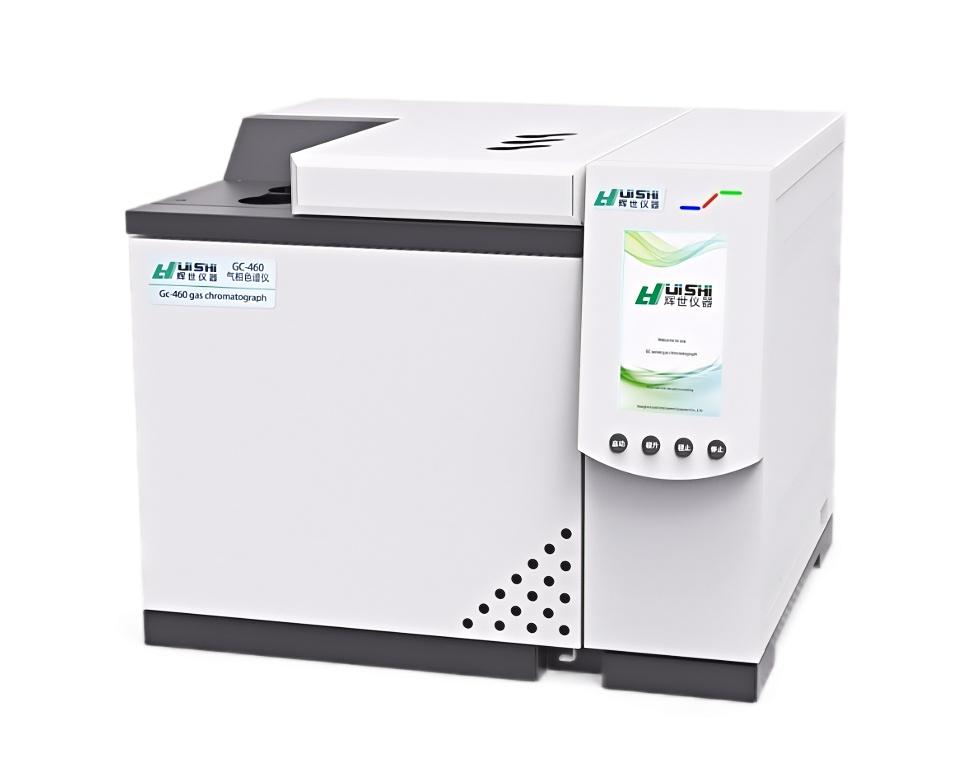
GC-460 gas chromatograph
- Product name
- GC-460 gas chromatograph
- Model
- GC-460
- Brand
- Huishi Instruments
- Manufacturer
- Shanghai Huishi Instrument Equipment Co., Ltd.
- Product category
- Gas chromatograph
- Role of the solution
- It undertakes the tasks of sample injection, separation, detection, and data acquisition in GC analysis.
- Reason for suitability
- The GC-460 can be configured with FID and a liquid autosampler for the separation and detection of the saturated, monounsaturated, and polyunsaturated fatty acid composition as characterized by fatty acid methyl esters in edible vegetable oil and food samples containing vegetable oil.
09 Analysis workflow
10 Qualitative, Quantitative, and Quality Control
According to GB 5009.168-2016, select the internal standard, external standard, or normalization approach, and complete the identification and result calculation of fatty acid methyl esters. Method blanks are used to monitor contamination, calibration checks are used to monitor response drift, and duplicate samples or quality control samples are used to evaluate batch consistency.
11 Method and Configuration Selection
- The sample introduction module is matched to the physical state of edible vegetable oil and food samples containing vegetable oil.
- The detection unit is limited to FID.
- The chromatographic flow path is configured to separate the saturated, monounsaturated, and polyunsaturated fatty acid composition as characterized by fatty acid methyl esters and major coexisting components.
12 Frequently Asked Questions
Why is gas chromatography used for the saturated, monounsaturated, and polyunsaturated fatty acid composition as characterized by fatty acid methyl esters?
Gas chromatography matches the physicochemical properties, sample inlet, and detection targets of the saturated, monounsaturated, and polyunsaturated fatty acid composition as characterized by fatty acid methyl esters, and the complete workflow also covers the treatment, separation, detection, and data quality control of edible vegetable oil and food samples containing vegetable oil.
What samples is this solution applicable to?
The applicable samples are edible vegetable oil and food samples containing vegetable oil. When the sample source or matrix changes, the effect of coexisting components on sample preparation, separation, and detection response should be re-evaluated.
What components or indicators are included in the detection targets?
The analytical target is the saturated, monounsaturated, and polyunsaturated fatty acid composition as characterized by fatty acid methyl esters, and both the main text and the configuration are bounded by this entity scope.
How is quality controlled for an analytical batch?
For each batch of samples, set up method blanks, calibration verification, duplicate samples, or applicable QC samples, and retain records of sample processing, instrument conditions, calibration, and calculations.
How are the sample introduction and detection modules matched in this solution?
The liquid autosampler is responsible for introducing the treated edible vegetable oil and food samples containing vegetable oil into the analytical system, and the detection unit is configured for the response characteristics of the saturated, monounsaturated, and polyunsaturated fatty acid composition as characterized by fatty acid methyl esters; both must remain consistent with the method used.
13 Related Solutions and Knowledge
14 References
Get Configuration and Technical Consultation
Please provide sample information for the edible vegetable oil and food samples containing vegetable oil, the concentration range of the saturated, monounsaturated, and polyunsaturated fatty acid composition as characterized by fatty acid methyl esters, the testing batch size, the method basis, and the existing equipment. Huishi Instruments will then prepare a configuration list.
Information submitted.